


AI Mirror: Screen Mirroring TV
3.2406.00 Reviews
App Specs
- Version
- 1.0.2
- Updated On
- License
- Free
- Downloads
- 10,000,000+
- Developer
- Insumos XP
- Categories
- Video Players & Editors
- Platform
- Android
Screenshots
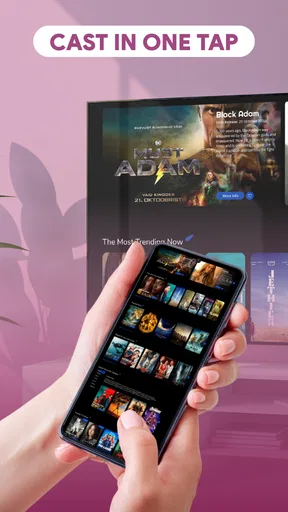
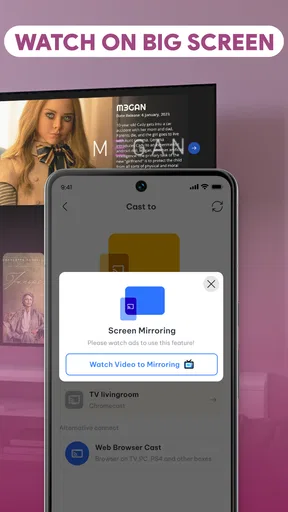
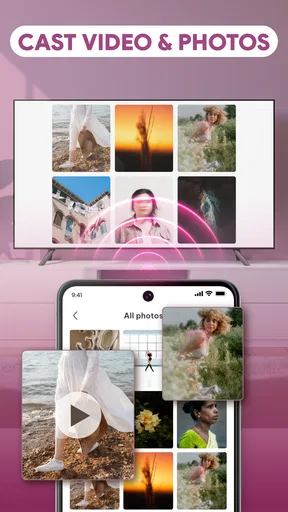
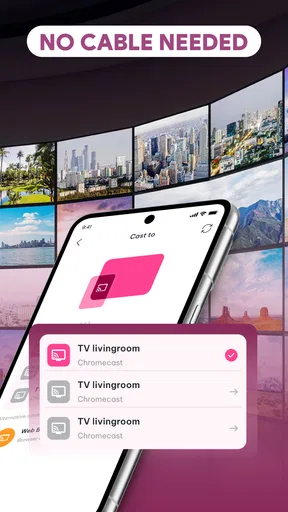
 Analysis by AppCompare
When I want to share something on my phone with people across the room, a TV can be more comfortable than passing the handset around. That simple job is the point of AI Mirror: Screen Mirroring TV, a free video and screen-sharing app from Insumos XP. Its appeal is easy to understand: use a larger display for phone videos and photos, without turning a casual viewing moment into a complicated setup project. Whether it is worth keeping depends less on grand promises than on how often you actually need that kind of sharing.
What free access means here
The app is free, so there is no purchase price to weigh against its usefulness. That makes trying it a low-commitment choice, especially if you only need to mirror occasionally. I would still judge its value by the practical result: can you connect the devices you use, and does the picture behave well enough for the occasion? Free access is a meaningful advantage, but it does not by itself guarantee a smooth connection or make the app the best option for every TV.
AI Mirror is currently at version 1.0.0, and its release date is April 1, 2026. It has an average rating of 3.3 from around 1.3 thousand ratings, with over 1 million installs. Those figures suggest that people have tried it in substantial numbers, while the middling average is a reason to keep expectations measured rather than assume every setup will work perfectly. The app is rated for Everyone and requires Android 8.0 or later.
Getting Started with AI Mirror
First things first, setting up AI Mirror: Screen Mirroring TV is a breeze. You just download the app from your app store—available on both Android and iOS—and follow the straightforward installation process. Once you open it, the app guides you through connecting your phone to your TV. No need to be a tech wizard here; it’s super user-friendly.
Before you start casting
For a better first attempt, I’d treat compatibility as the first check, not an afterthought. The phone and television need a way to communicate for mirroring to work, and the exact route can depend on the devices and network you already have. If the TV does not appear, check that both devices are ready to connect and that you are following the prompts shown in the app and on the television. Restarting the connection attempt is usually more useful than repeatedly tapping a device that is not being detected.
It also helps to decide what you want to share before connecting. A photo album, a short clip, and a live phone screen put different demands on a viewing session. For a family photo browse, a little delay may not matter; for a game or a fast-moving video, it can be much more noticeable. Starting with a still image or a short video is a practical way to see whether the setup is good enough before everyone settles in.
Features That Stand Out
What caught my eye initially were the app’s features. The app supports high-definition streaming, meaning you won’t miss out on any quality when viewing on a larger screen. It’s perfect for streaming movies or playing graphically intense games. Plus, it doesn’t matter whether you have an Android or iOS device, the cross-platform compatibility is a huge plus.
Worth Reading Before You Choose

Flipboard Shows What News Apps Must Do Beyond the Feed

Switching to Android Auto Means Rethinking Your Driving Routine

Google Calendar Makes a Crowded Week Easier to Manage

Ludo King Makes the Most of the Minutes Between Plans

Baby Panda World Brings Quick Play to Modern Phones, but Its Game Library Feels Busy

ESPN’s Live Game View Makes Following Close Games Easier
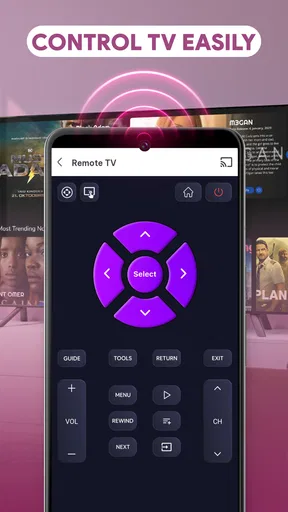
Another cool feature is the ability to control your TV using your phone. This comes in handy when you’re settled on the couch and don't want to get up to grab the remote. With just a few taps, you can adjust the volume, switch apps, and even turn off your TV.
Where mirroring earns its keep
The clearest everyday use is sharing something that is already on your phone, rather than hunting for the same item through a TV app. Imagine coming home with a few photos from a family gathering and wanting everyone to look at them together. Instead of handing the phone around, you can put the pictures on the large screen and keep the conversation going. The same approach can be useful for showing a short video to friends or making a quick visual point in a small presentation.
There is a useful distinction between mirroring a phone and using a TV’s own streaming apps. If you know exactly what you want to watch and the service is already available on the television, opening it there is often the simpler choice. Mirroring is more valuable when the material is on your phone, when you want to share photos, or when you need people to see a particular screen. It is a companion for those situations, not a replacement for every way of watching television.
For photos, I would make a small selection before casting rather than scrolling through a long camera roll in front of everyone. It keeps the shared viewing focused and avoids exposing unrelated images or notifications as you navigate. For a presentation, I would also open the relevant page or image first and check the phone’s display orientation. Those modest habits make a screen-sharing session feel much more deliberate, even though they are not special app features.
Performance and Usability
Now, let’s talk about performance. During my test, I found that the connection between the phone and TV was seamless and stable. There was minimal lag, which is crucial when you’re gaming or watching a fast-paced action movie. The app also supports multi-tasking, so you can browse other apps on your phone without disrupting the mirroring.
On the usability front, the interface is intuitive. Everything is laid out clearly, making it easy to navigate. The app also includes a helpful FAQ section for any troubleshooting needs, but honestly, it was pretty smooth sailing for me.
Trade-offs to keep in mind
Mirroring makes the phone part of the viewing setup, so it is not always as hands-off as pressing play on a television app. You may need to keep the phone nearby, manage what appears on its screen, and respond if the connection needs attention. That is a fair trade when you are sharing personal photos or a file that is only on the handset; it is less appealing when you simply want uninterrupted television viewing.
Network conditions and device compatibility can affect the experience, so I would not choose a mirroring app as my only plan for an important presentation or a group event without testing it first. A quick check at the location can reveal whether the TV is discoverable and whether the image and response feel acceptable. If your priority is reliable playback of a particular streaming service, using that service directly on the TV is generally the more straightforward fallback.
It is also worth separating screen mirroring from remote-control expectations. The original appeal includes phone-based TV controls, but whether those controls suit your particular television is something to establish during setup. I would keep the regular remote within reach for the first session rather than assume the phone can replace it in every situation. That is a small precaution, not a reason to avoid trying the app.
Who is likely to get value
I can see this being useful for someone who often shares phone photos, home videos, or other content that is awkward to show on a small screen. It is also a reasonable option for a casual presenter who wants to display material from a phone without building a more elaborate setup. Since the app is free, occasional users can try it for these specific moments without paying upfront.
On the other hand, if you rarely show phone content to other people, a dedicated mirroring app may not add much to your routine. People who mainly watch subscription services may be better served by the television’s own apps, while anyone who needs a dependable presentation setup should test the full connection in advance and have another method ready. If your phone is older than Android 8.0, it does not meet the stated Android minimum.
The rating also gives me a reason to approach it as a practical tool to test, not a guaranteed fix for every device combination. A 3.3 average is neither a clear endorsement nor proof that the app will fail for you. I would try a simple photo or video session first, then decide whether the app is dependable enough for the way I plan to use it.
Why You Might Love AI Mirror
Overall, if you’re someone who frequently uses screen mirroring, AI Mirror: Screen Mirroring TV is a solid choice. The ease of use, coupled with high-definition streaming and reliable performance, makes it a go-to app for many. It’s especially useful for those family movie nights or when you want to share your screen during a presentation.
For the tech-savvy and the not-so-tech-savvy alike, this app is designed to make your life easier. The developers have done a fantastic job of creating an app that is both functional and aesthetically pleasing.
Final Thoughts
In a world where connectivity is king, having an app like AI Mirror: Screen Mirroring TV is almost essential. Whether for work or play, it’s a tool that simplifies the process of sharing your screen. If you haven’t checked it out yet, I’d highly recommend giving it a try. It’s one of those apps that you didn’t know you needed until you start using it.
So, next time you’re thinking about how to get your phone display onto your TV, remember this nifty app. It’s straightforward, effective, and honestly, a bit of a game-changer.
My verdict is to try it if you have a clear use for sharing phone content on a television and want a free app to explore that option. I would not install it expecting it to replace TV streaming apps, remove every compatibility wrinkle, or serve as a guaranteed presentation system without a test run. For the right household, the value is straightforward: an accessible way to put a phone’s content in front of a group. If that is a situation you encounter, AI Mirror is worth a look; if it is not, you can comfortably skip it.
Pros
- Easy setup with user-friendly interface.
- High-quality video streaming without lag.
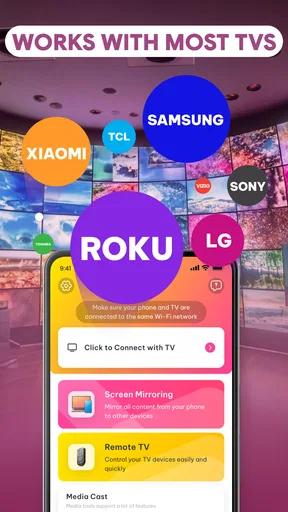
- Compatible with multiple TV brands.
- Supports both Android and iOS devices.
- Allows screen mirroring and casting.
Cons
- Requires stable Wi-Fi for optimal performance.
- Some features are locked behind a paywall.
- Occasional connectivity issues reported.
- Limited support for older device models.
- Ads can be intrusive in the free version.
FAQs for AI Mirror: Screen Mirroring TV
What is AI Mirror: Screen Mirroring TV and how does it work?
AI Mirror: Screen Mirroring TV is an app that allows users to reflect their smartphone screen onto a larger TV display. It works by connecting your device to a TV over the same Wi-Fi network, enabling you to share videos, photos, and apps on a big screen. The setup is user-friendly and typically requires just a few simple steps.
Is AI Mirror: Screen Mirroring TV compatible with all TV models?
AI Mirror: Screen Mirroring TV is compatible with most smart TVs that support screen mirroring or casting features. However, compatibility may vary depending on the TV's brand and model. It's advisable to check the app's requirements and your TV's specifications to ensure compatibility before downloading.
Does AI Mirror: Screen Mirroring TV support both Android and iOS devices?
Yes, AI Mirror: Screen Mirroring TV is designed to support both Android and iOS devices. The app provides a seamless experience on both platforms, allowing users to mirror their screens regardless of their operating system. Ensure your device meets the minimum OS requirements for optimal performance.
Are there any subscription fees or in-app purchases in AI Mirror: Screen Mirroring TV?
AI Mirror: Screen Mirroring TV may offer both free and premium versions. While the basic features are often free, unlocking advanced features might require a subscription or one-time purchase. Users should review the app's pricing structure in the app store to understand any potential costs before downloading.
What are the main benefits and limitations of using AI Mirror: Screen Mirroring TV?
The main benefits include easy wireless screen sharing, enhanced viewing experience, and support for various media types. However, some limitations might include potential lag depending on network strength, and limited compatibility with older TV models. Users should weigh these factors based on their specific needs and network conditions.


